Accident-only
Question it answers
Does the defined accidental event qualify?
What not to assume
An urgent illness is not automatically an accident

Understand cat-insurance structures, then follow a hypothetical invoice from eligible costs to reimbursement.
Use these checkpoints to frame the literal question before reading the full guide.
Cat insurance policies differ in the events they cover, how they calculate payment and the costs they leave with you. Compare accident-only and accident-and-illness protection separately from routine-care benefits. The policy schedule and exclusions, rather than the product name alone, tell you what you are buying.
The sections below show how to verify the answer and what can change it.
| Structure | Question it answers | What not to assume |
|---|---|---|
| Accident-only | Does the defined accidental event qualify? | An urgent illness is not automatically an accident |
| Accident and illness | Does the new condition and treatment fit the grant? | Every condition and every invoice item is included |
| Routine-care benefit or program | Which scheduled preventive services are reimbursed? | It supplies unlimited protection for unexpected illness |
The NAIC’s consumer overview distinguishes coverage categories and calls attention to exclusions, deductibles and reimbursement. Use that as a reading map, then turn to the offered cat policy. A benefit schedule can put separate limits on services that appear side by side in an advertisement.
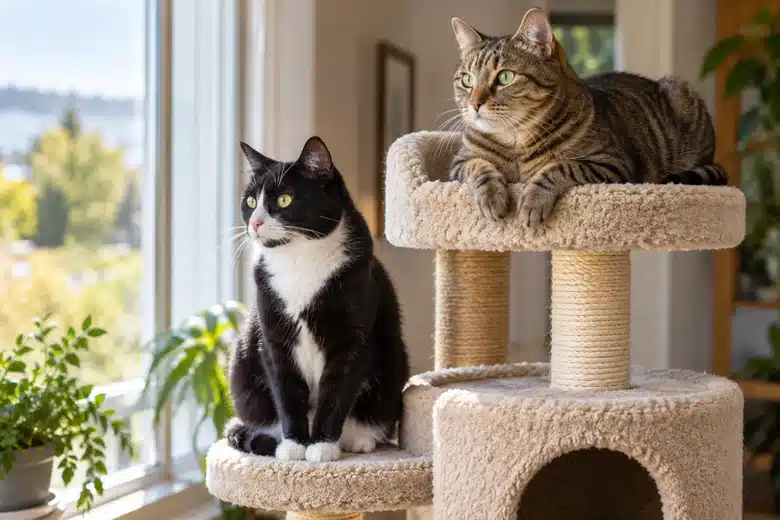
In a two-cat household, create separate timelines, even if you intend to buy both policies together. Record the birth date or estimated age, breed description, prior symptoms and treating practices for each animal. A price reduction for multiple pets, if actually offered, does not merge their medical histories or prove that their benefits share a limit.
Eligibility should be checked before comparing attractive percentages. Read the species and age rules, state availability, effective date and waiting-period provisions. If a cat has a known condition, separate the question of enrollment from the question of payment for that condition. Neither a quiet period at home nor an incomplete record proves that the problem is outside an exclusion.
Keep policy terms, deductible, reimbursement and limits beside the quote so the comparison stays consistent.
| Stage | Illustrated amount | Reason |
|---|---|---|
| Total invoice | $900 | Invented example |
| Assumed excluded line items | $150 | Not eligible under this example contract |
| Eligible expenses | $750 | $900 minus $150 |
| Remaining annual deductible | $200 | Assume deductible applied first |
| Reimbursement | $385 | 70% × ($750 − $200) |
| Owner’s final invoice cost | $515 | $900 minus $385; premium separate |
The arithmetic assumes sufficient benefits remain and every other eligibility condition is satisfied. It does not identify a real insurer’s method. If the deductible is already met, if the calculation applies coinsurance first, or if a service cap applies, the result changes. Keep the invoice total, eligible base and insurer payment as three different numbers.
Before choosing, test a no-claim year and one larger eligible-claim year against your household budget. Keep money for excluded care and any initial clinic payment separate from premiums. An appealing reimbursement percentage cannot solve a cash-flow problem if you cannot fund the visit before repayment.
The examples explain policy structure and arithmetic. They are not actual cat quotes, a recommendation of a company or a decision that a particular diagnosis is covered. The issued contract remains the reference for your cat.
No shared deductible is assumed here. Check each policy’s schedule and household arrangement.
No. Read the event grant and the separate preventive schedule; their purposes and limits may differ.
Keep the policy terms beside the price, then continue to rates when the comparison is clear.